Mr. Dionet has been teaching for 17 years. He has taught science for 12 years to both lower and upper grade elementary students. The rest of the time, he was a classroom teacher.
All activities were conducted within the school building due to inclement weather conditions.
Instructional
Objectives
To understand the importance of recycling and to promote awareness within the school community in order to recycle waste accordingly.
To set up and maintain a worm bin in order to experience how organic waste can be turned into compost or fertilizer.
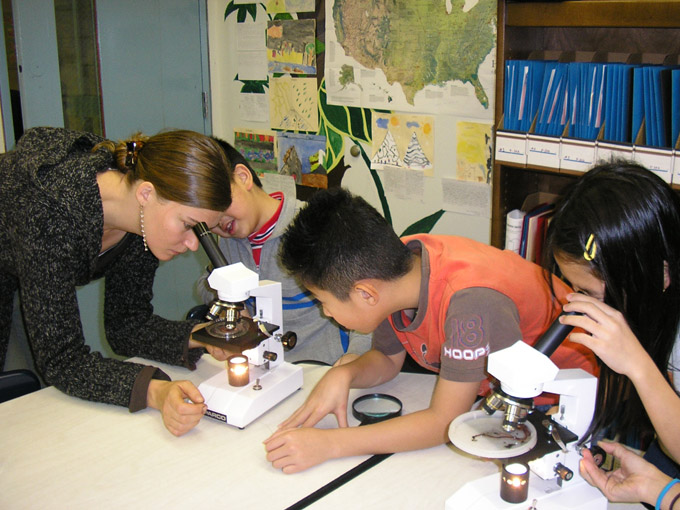
To understand relationships between earthworms and organic waste management.
To model conservation through art.
Technology Integration
Technology played a key role in our curriculum unit of recycling and composting. Students were able to use the Internet to research our topic. They printed information and created and saved a file containing records of observations, data, and conclusions. Our technology became the most accessible resource within the classroom. Web sites used included:
Info Resources Online on Community Gardens OasisNYC.net
Assessment
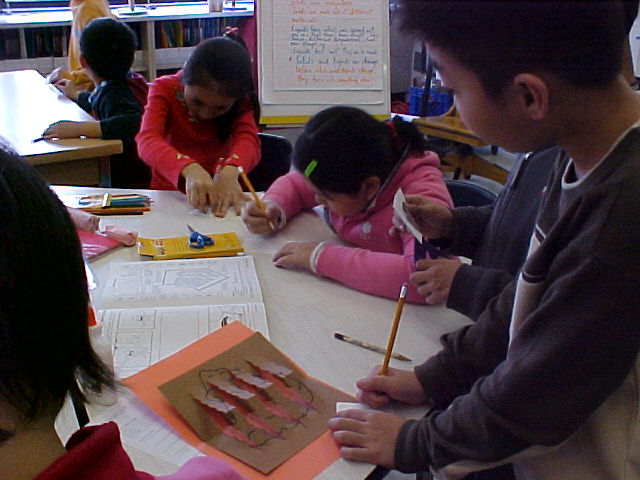
Students were assessed in a variety of ways throughout the curriculum unit. Students promoted awareness on recylcing in our school by creating posters, flyers, and recycling bins. They also created a compost bin and constructed art projects.
Tips
for Teachers
Spring, summer, or fall would be the best time to expand the unit by using outdoor resources such as school gardens to create a natural compost area. The compost could then be used for planting throughout the unit.
Student Work Samples
Click on each thumbnail to see a full-screen version.
Come across an outdated link?
Please visit The Wayback Machine to find what you are looking for.