The
Ocean Biome: "My Bonnie Lies Over the Ocean"
Project URL: http://teachersnetwork.org/teachnet-lab/ps101/bglasgold/oceanintro.htm
How it works:
This is a set of lessons on the ocean as one of the many biomes
that exist on Earth. The students travel from the shore,
to the coral reefs, to the depths of the ocean, and become familiar
with the marine plants and animals that make their home there.
They learn what causes ocean currents and what effects these currents
have on the adjacent lands. They learn what causes tides, and an
on-line activity has the students track the daily tides at the beach
near them. The technology part of each lesson gives the children many
pictures of the ocean biome as well as activities to do on the computer.
Technology is integral to the teaching of this program. One activity,
which uses the scientific method, shows how cold and
hot waters cause currents. Using cold and hot water along with red and blue
food coloring, the children track how hot water rises and cold
water sinks, thereby causing currents.
Standards addressed:
Students demonstrate an understanding of organisms and their
environments, the Earth's biodiversity, and changes that occur over
time. They write an informative report and use scientific
notation for the writing of experiments.
Materials
used:
This program involves the computer as well as
hands-on experimentation. The materials needed are a computer with
Internet capabilities, a printer and scanner, word processing
programs, and Kid Pix or any other illustrating program. A digital
still or movie camera would be ideal. For experimentation, you
need various everyday materials like food coloring, cups, cotton,
rubber bands, graph paper, and the specific items that each experiment
needs. All required materials are listed for each lesson.
The students:
This program is suitable for children of average ability in grades
three through five. The teacher has the flexibility of adapting
each lesson to the capabilities of the students. The children should
have basic computer knowledge (word processing, illustrating,
printing, etc). Many of the activities lend themselves to small
cooperative groups, both at the computer and during the experiments.
Overall value:
The overall value of The Ocean Biome is for the students to become aware
of the diversity of life on Earth, and how all life here is dependent
on other life. The effect of this, hopefully, will get students to
appreciate how fragile our earth is and how they must become aware of
ways to conserve our natural resources. The use of the computer
enables children to increase their knowledge through the world of the
Internet. Instead of one textbook, students have a world of
information available. Activities on the computer increase their
technological skills as well as their subject knowledge. Learning about the different ecosystems on Earth is part of every
state curriculum. This program gives a teacher the opportunity to
impart a valuable
lesson.
Tips:
The teacher needs to research the topics beforehand and make sure
the relevant Web sites are accessible and working. Many sites
are not available to students due to restrictions by school districts.
Teachers need to have all the necessary materials for the
experiments. Practice working in small groups first so students don't
get bogged down.
|
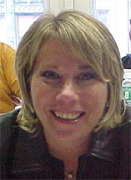
About the teacher:
Bonnie Glasgold had been teaching in the New York City public
school system for 22 years, and has been a
science enrichment teacher for eight years. She employs a hands-on
approach to the teaching of science. Since the incorporation of
computers and the Internet two years ago, she has geared her lessons
toward a technological-science curriculum.
E-mail:
bmglas@aol.com
Subject Areas:
Science
Technology
Grade Levels:
3-5
|